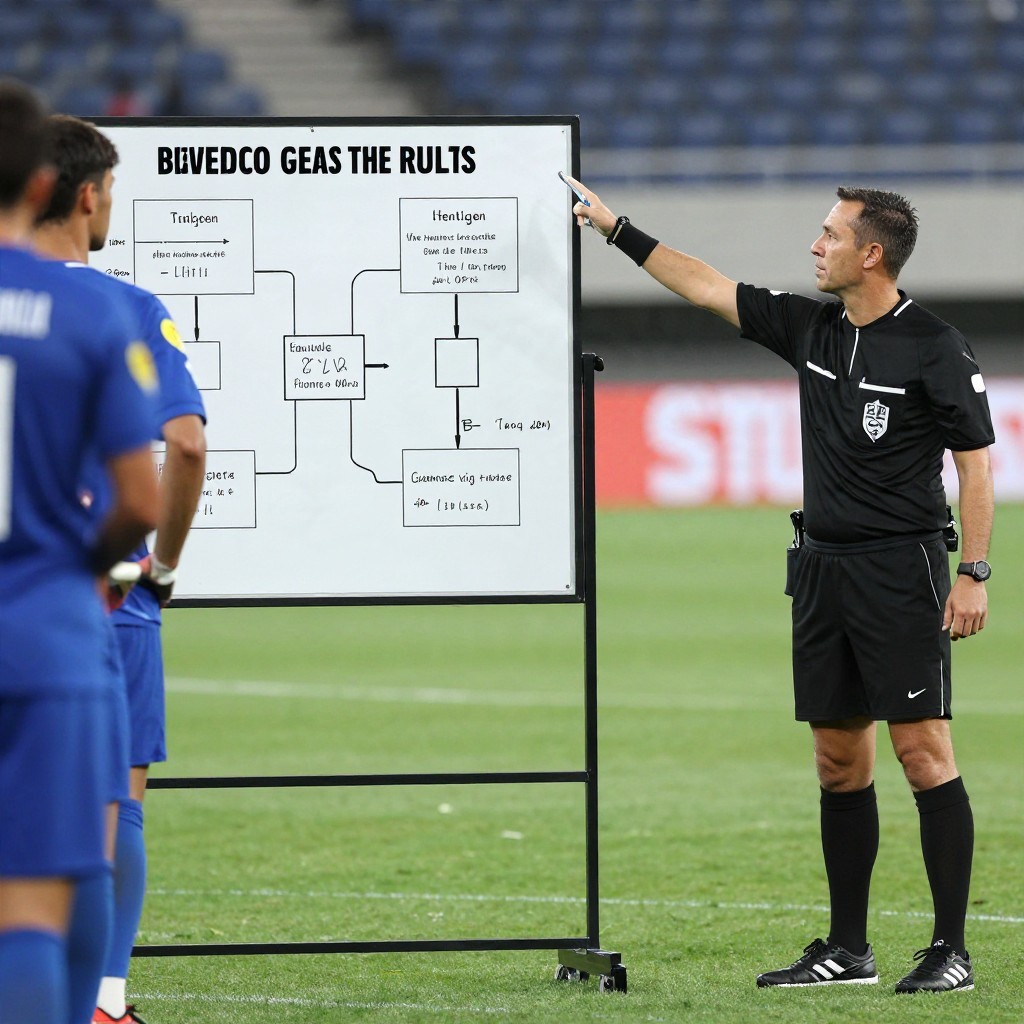
Modern football changes through two distinct forces: formal Laws of the Game, which set what players may do, and tactical trends, which describe how teams choose to play. A rule change can alter a decision immediately; a tactical innovation spreads through coaching and match practice. Knowing which is which makes football news easier to interpret and its effects easier to spot.
The real effects of football’s latest changes
- Check whether a reported change is an official rule amendment or a team-level tactical trend.
- Rules define what is permitted; tactics guide positioning, passing, pressing and risk.
- To assess an update, watch for a concrete change in player decisions during a match.
- Formation labels alone do not explain how a team builds attacks or defends.
- Searches such as notícias de futebol hoje may mix confirmed rule updates with tactical discussion; check what kind of change each report describes.
Myths about modern football rules that the evidence does not support
“Modern football rules” means the current Laws of the Game and any approved amendments in force for a competition. The phrase is sometimes used more loosely for new interpretations, officiating procedures or tactical trends. Those categories are related, but they are not interchangeable.
A change in the way a team presses or builds from the back is not automatically a rule change. It is a tactical choice, and teams can adopt it, modify it or abandon it without the Laws changing.
Nor does every headline about novas regras do futebol mean that a new law applies everywhere immediately. Confirm the competition, applicable season and official announcement before treating a report as a universal rule. For searches such as regras atualizadas do futebol, distinguish an approved amendment from discussion of a proposed change or a referee’s interpretation.
How recent rule changes reshape decisions on the pitch
When a rule or its official interpretation changes, players and coaches adjust decisions that are directly affected. To understand the practical effect, follow this sequence:
- Identify the change. Establish what conduct or decision the update concerns and when it applies.
- Locate the affected moment. Watch for the relevant restart, challenge, goal, offside situation or interaction with officials.
- Notice the player’s adjustment. Ask whether players change their positioning, timing, communication or choice of action.
- Check the referee’s role. An official interpretation may affect how an existing rule is applied without creating a wholly new law.
- Separate cause from coincidence. A faster or more cautious passage of play may have several causes; do not attribute it to a rule change without a clear connection.
Tactical innovations changing the way teams build and defend
Tactical trends are observable choices, not official requirements. A practical análise tática de futebol can look for patterns such as these:
- Building from the goalkeeper: defenders and midfielders offer short passing options to draw pressure, then look for space behind or around the press.
- Rotating positions: a midfielder or full-back moves into a different lane, while teammates cover the space left open.
- Pressing triggers: several players accelerate pressure after a predictable event, such as a backward pass or a receiver taking a poor touch.
- Compact defending: the team reduces space between its lines and directs the opponent toward less dangerous areas.
- Quick transitions: after regaining possession, players move forward before the opposing team can restore its defensive shape.
These patterns can be combined in one match. A team may build patiently in one phase and attack quickly after winning the ball in another.
What new trends mean for players in different positions
Potential benefits:
- Goalkeepers may become more involved in passing sequences when a team uses short build-up play.
- Defenders can create passing angles by spreading wide or stepping into midfield when teammates cover the space.
- Midfielders may find room to receive between opposing lines through coordinated movement and rotations.
- Forwards can help initiate a press or make runs that open space for a teammate.
Practical limits:
- Playing out from the back can expose a team to pressure if passing options are closed.
- A defender moving forward leaves space that another player must recognise and cover.
- Pressing requires coordinated effort; one player closing down alone may leave gaps elsewhere.
- Frequent position changes demand clear communication and can make assignments harder to track.
How rule and tactical shifts affect match tempo and outcomes
A change in tempo is not proof that a rule has changed. It can result from tactical choices, player fatigue, scoreline, stoppages or the opponent’s response. Avoid these common errors when watching or discussing a match:
- Calling a tactic a rule: a team’s preferred formation or pressing style does not alter what the Laws permit.
- Assuming a new rule applies in every competition: check the relevant competition guidance and season.
- Equating more possession with control: possession alone does not show whether a team is creating useful chances or protecting itself from counterattacks.
- Blaming a result on one update: a rule or tactical choice may shape a key moment, but match outcomes have multiple contributing factors.
Which changes are likely to define football’s next phase
The developments most likely to matter are those that teams can apply consistently: coordinated pressing, flexible roles, deliberate build-up and fast transitions. Formal rule updates may also affect play, but their practical reach depends on what was changed and where it applies. For readers following notícias de futebol hoje, the useful question is not just what is new, but what players do differently because of it.
Mini-case: A team faces an opponent pressing its goalkeeper. First, its defenders spread to create passing lanes. If the short option is covered, a midfielder drops back or a longer pass targets a forward. If possession is lost, nearby players press the ball while teammates protect the space behind them. This illustrates a tactical response; it is not, by itself, a change to the rules.
Practical clarifications on football’s changing game
What counts as a change to football’s rules?
A rule change is an approved amendment to the Laws of the Game or an applicable competition provision. A new formation or pressing pattern is tactical, not a change to the Laws.
How can I verify whether a reported update is in force?
Check the official announcement and confirm the competition and season it covers. A proposal or a discussion of interpretation does not necessarily mean the change is already in effect.
Are tactical trends mandatory for teams?
No. Coaches choose whether and how to use a tactical approach, and teams can adapt it to their players and opponents.
Does playing from the back always improve an attack?
No. It can help a team draw pressure and find space, but it also carries risk if passing options are closed or the ball is lost near goal.
What should I watch to understand a team’s tactics?
Track player positions, passing options, movement after possession changes and how teammates cover open spaces. These details reveal more than a formation label alone.
Do rule changes automatically make matches faster?
No. Match tempo also depends on team strategy, stoppages, the scoreline and other conditions. Look for a direct link between a specific update and a change in play.