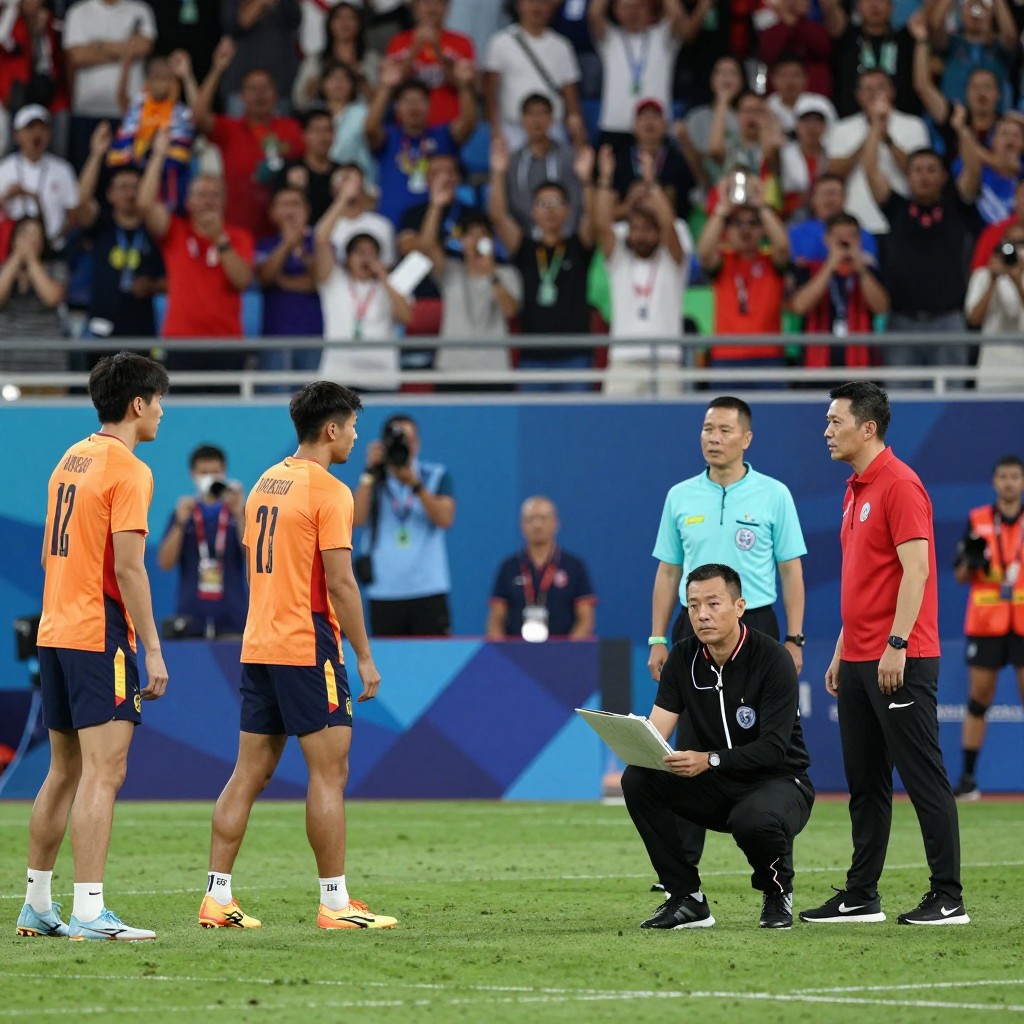
Strong coverage of a major sporting event explains how the contest is unfolding, why important moments matter, and what the evidence can support. Track context, tactical changes, player contributions, officiating, and the atmosphere alongside the score. Separate confirmed information from interpretation, and connect statistics to specific moments so readers can follow the match without being misled.
The Signals That Make a Match Story Complete
- Set out the stakes and relevant pre-match context.
- Describe tactical changes through observable actions, not possession figures alone.
- Explain turning points without claiming they decided the match before the evidence is clear.
- Pair player statistics with the moments and roles that give them meaning.
- Report refereeing decisions and injury information carefully, distinguishing confirmation from speculation.
- Include the crowd and venue as context, not as a substitute for match reporting.
Set the Stakes Before the Opening Whistle
This approach suits reporters, commentators, editors, and informed fans producing a live blog, match report, or post-match analysis. It is especially useful when readers need more than a scoreline, including during a transmissão ao vivo de eventos esportivos or other forms of cobertura esportiva ao vivo.
Do not attempt detailed tactical commentary if you cannot observe the match reliably or verify basic facts. Avoid presenting rumors about injuries, team selection, or a referee’s intentions as confirmed information. When access is limited, explain the limitation and stick to what you can substantiate.
Track Tactical Shifts, Not Just Possession
Prepare a simple note-taking system before kickoff. You do not need specialist software, but you do need reliable access to the match and a way to check names, timings, and official updates.
- A live match feed or authorized broadcast with a stable view of play.
- A notebook, document, or timestamped notes for recording events and observations.
- Verified team sheets, competition rules, and official channels for confirmed updates.
- A trusted source for statistics, used as a cross-check rather than a replacement for observation.
- A clear distinction in your notes between what happened, what a data source reports, and what you infer.
For análise de jogos de futebol, record formations and roles as they appear in play, since a team’s shape can change between attacking and defensive phases. Use estatísticas de futebol ao vivo to support a specific observation, not to make a tactical claim on their own.
Explain Turning Points Without Overstating Their Impact
Before writing, account for these risks and limits:
- A single event may look decisive in the moment but have a different significance after the match.
- Live feeds and statistical providers can differ in timing or event classification.
- Broadcast angles may not show enough to establish what happened in a disputed incident.
- Injury details and referee explanations should not be guessed from appearance or reaction.
-
Establish the baseline.
Note the score, match phase, team shapes, and any relevant pre-match context. This gives readers a reference point for later changes. -
Record observable events.
Timestamp goals, substitutions, cards, chances, and visible tactical adjustments. Keep a separate note for interpretation so it does not become confused with the event itself. -
Identify what changed.
Check whether a team altered its pressing, width, defensive line, or player roles after an event. Describe the evidence, such as a full-back moving higher or a forward dropping into midfield. -
Test the apparent turning point.
Compare play before and after the moment. Consider whether the change persisted, whether the opponent responded, and whether other factors also affected the match. -
Verify and qualify the account.
Cross-check names, times, statistics, and official updates. Use measured wording when the cause or impact is uncertain, and identify analysis as analysis. -
Close with proportion.
Summarize what the evidence supports at full time. If relevant, direct readers to the melhores momentos dos jogos de futebol while making clear that a highlights sequence may omit stretches of play and broader context.
Put Player Statistics in Match Context
Before publishing, use this checklist to check that figures and conclusions agree:
- Confirm player names, teams, event timings, and score against a reliable source.
- Check that the statistic refers to the same match and competition being covered.
- Explain the player’s role when interpreting a count such as tackles, shots, or passes.
- Connect each major statistic to a specific phase or moment where possible.
- Distinguish an official statistic from an estimate or observation.
- Avoid treating possession, shot totals, or pass counts as proof of control or quality by themselves.
- Check whether a figure is complete or still updating during live coverage.
- Make sure the written interpretation does not claim more than the data shows.
Cover Refereeing Decisions With Evidence and Care
Common reporting errors include:
- Describing a disputed call as definitively right or wrong without sufficient evidence.
- Attributing motives or bias to an official without substantiation.
- Repeating an unverified injury claim based only on a player leaving the field.
- Confusing an official explanation with a commentator’s or reporter’s interpretation.
- Reporting a live statistic as final before it has been confirmed.
- Using an isolated replay angle as if it shows the entire incident.
- Calling an event decisive before the match’s later developments are known.
When a decision is contested, describe the visible sequence, identify what remains uncertain, and attribute any official explanation to its source. Update the account if verified information changes the picture.
Capture the Crowd and Venue Without Losing Perspective
Choose the approach that fits your access and format:
- Live blog: Use brief, timestamped observations when the match is changing quickly and readers need regular updates.
- Match report: Prioritize the result, decisive sequences, and the context that explains how the contest developed.
- Tactical analysis: Focus on repeated patterns and role changes, with statistics used as supporting evidence.
- Atmosphere-led feature: Describe crowd reactions and venue details when they illuminate the occasion, while keeping match facts and audience impressions distinct.
Practical Calls to Make While Covering the Match
What should I track besides goals and the score?
Follow tactical shape, substitutions, chances, player roles, officiating incidents, and the match atmosphere. Record when these details occur so you can connect them to the flow of play.
How can I make live tactical analysis more reliable?
Describe observable actions first, then label your interpretation clearly. Check whether a pattern repeats before presenting it as a tactical change.
Should I publish a statistic before it is confirmed?
Only if you identify it as provisional and the source is clear. When accuracy matters more than immediacy, wait for confirmation.
How should I cover a disputed refereeing decision?
Describe the sequence you can verify and avoid guessing about intent. Attribute any official explanation and state what remains uncertain.
How do I report a possible injury during the match?
Report only what is confirmed, such as a substitution or an official update. Do not infer a diagnosis from a player’s reaction or appearance.
What makes a post-match summary useful?
Explain how the match developed, which changes mattered, and what the evidence supports about the result. Avoid treating a highlights sequence or one statistic as the full story.